

Late March through early May in Washtenaw County brings a specific kind of mess. Snow melts, the ground thaws before it fully drains, and every walk to the car turns into a study in clay, grit, and road salt. That mixture rides indoors on boots, paws, tires from strollers, and the cuffs of jeans, and it settles into places you rarely think about until the grime is baked in. At Huron Valley Cleaning Collective, we see the same pattern in home after home once the temperatures climb: gray film on tile grout, salt rings near the front door, and mud pressed so deep into entry rugs that vacuuming barely touches it.
The clay soils around the Huron River hold water longer than sandy ground, which is why yards near Ypsilanti and Superior Township stay soft well into spring. That moisture is the problem. Wet mud spreads across a floor and dries into a stubborn crust that bonds with dust, pet hair, and whatever de-icer you used all winter. Cleaning it well is less about scrubbing harder and more about working in the right order with the right tools.
Start at the Entryways Where the Mess Begins
Every mud season cleanup should begin at the thresholds, because that is where ninety percent of the dirt enters. Pull up all doormats and shake them outside first, then look at what is underneath. On a lot of porches and mudrooms you will find a fine sandy layer that has migrated past the mat entirely. Sweep it, then damp mop or wipe the transition strip so you are not just pushing grit deeper into the house.
Rubber backed mats trap moisture against the floor. If yours has been sitting on hardwood or vinyl plank all winter, lift it and check for discoloration or a musty smell. Let the floor breathe for a day, and swap to a low pile washable rug for the muddy weeks so you can launder it every few days instead of fighting a permanently caked mat.
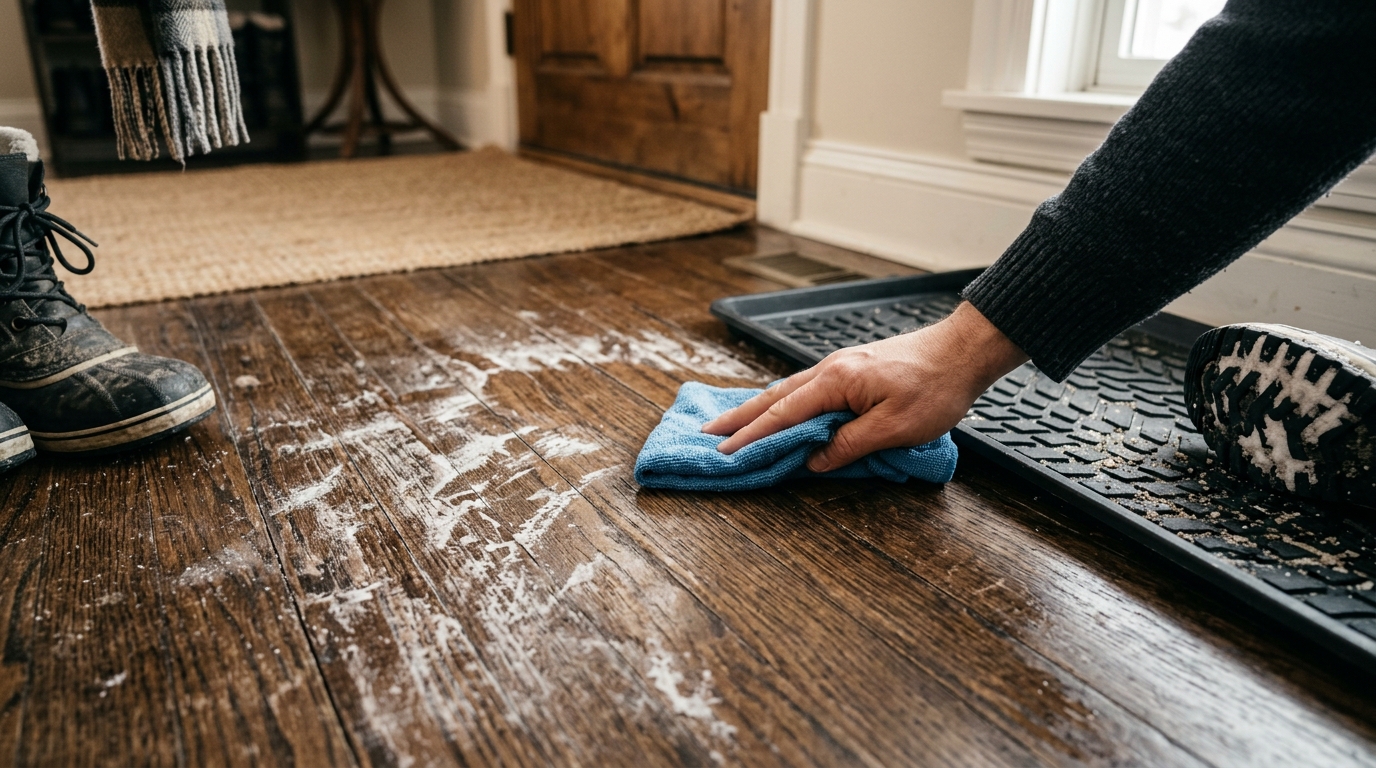
A boot tray with a lip and some gravel or a slatted insert keeps meltwater off the floor entirely. Set it just inside the door with a stiff brush nearby, and the amount of clay that reaches your living room drops sharply. Small habits at the door save hours of cleaning deeper in the house.
Tackling Floors, Grout, and the Gray Film
Hard floors take the brunt of mud season. The mistake most people make is mopping over dried clay while it is still dry, which just smears it into a haze. Vacuum or sweep thoroughly first to lift the loose grit, because that grit is abrasive and will scratch finishes if you drag it around with a wet mop.
On sealed hardwood, use a barely damp microfiber flat mop and a cleaner formulated for wood. Excess water is the enemy here, especially at plank seams. For luxury vinyl and laminate, a neutral pH cleaner cuts the salt residue without leaving a dull film. Tile is more forgiving of water, but the grout lines are where mud settles and darkens over the season.
Restoring Discolored Grout
Grout is porous and absorbs the tan and gray of tracked in soil. A paste of baking soda and a little water, worked into the lines with a stiff grout brush and left for ten minutes, lifts a surprising amount. Rinse with clean water and dry with a towel so you can see the true color. For entry tile that takes daily abuse, resealing the grout after a deep clean keeps the next mud season from soaking straight back in.
Dealing With White Salt Stains
Those chalky white rings near the door are de-icing salt that crystallized as the water evaporated. Plain mopping spreads them around because salt redissolves and dries again. A solution of one part white vinegar to three parts warm water dissolves the residue, and wiping it up rather than letting it air dry removes the salt for good. Follow with a plain water pass so no vinegar film remains on the finish.
When floors have taken a full winter of abuse and the film will not budge with a quick pass, a thorough deep cleaning resets the surfaces down to grout lines, baseboards, and the corners a routine mop skips. It is the reset most Ypsilanti homes need once the snow is finally gone for good.
Rugs, Carpet, and the Mud You Cannot See
Carpet hides mud season better than any other surface, which is exactly the problem. Fine clay works down into the pile and pad, and by the time the carpet looks visibly dingy, there is far more soil below the surface than on top. Start by vacuuming slowly in overlapping passes, going both directions, so the beater bar has time to agitate the fibers and pull grit up.
Spot treat mud stains only after the mud is completely dry. Wet mud smears and drives deeper; dry mud crumbles and vacuums out. Break up the crust, vacuum the loose material, then use a carpet spot cleaner and blot rather than rub. Rubbing frays the fibers and spreads the stain into a larger halo.
Area rugs from entryways often need more than spot work by the end of the season. Washable low pile rugs can go through the machine on cold. Wool and larger rugs benefit from a professional cleaning, and it is worth checking the backing for trapped moisture, which is a common source of that damp basement smell that appears in spring.
Baseboards, Walls, and the Splatter You Overlook
Mud does not stay on the floor. Look low on the walls and along baseboards near doors and you will see fine brown speckling from footsteps and closing doors. It builds up slowly and blends in until you wipe a test section and see the difference. A damp cloth with a drop of dish soap handles most of it; a magic eraser sponge takes off the scuffs that a cloth cannot.
Pay attention to door frames, light switch plates near entries, and the lower panels of interior doors. These are high touch spots during muddy weeks because everyone brushes past them with dirty hands and sleeves. A quick wipe of these zones dramatically brightens a hallway without much effort.
Pets, Paws, and the Extra Layer They Add
A single dog can undo an entire entryway cleanup in one trip to the backyard. Mud season with pets means keeping a towel by every exterior door and wiping paws before they hit the floor. Long haired dogs carry clay up into their leg fur and drop it wherever they lie down, so the spots to check are their beds and the routes they walk most.
Launder pet bedding on hot every week or two through the muddy stretch, vacuum the furniture they climb on, and blot any tracked in spots on rugs before they set. Enzyme cleaners help with the odor that damp fur leaves behind, which is different from a stain and needs a different product.
A Room by Room Mud Season Checklist
When the season finally breaks and you want one solid pass through the house, this order keeps you from cleaning the same surface twice.
- Shake out and wash all entry mats and rugs, and clean the floor underneath them
- Vacuum all hard floors and carpet to lift loose grit before any wet cleaning
- Damp mop hard floors with the right cleaner for each surface type
- Treat grout lines and dissolve any white salt residue near the doors
- Wipe baseboards, lower walls, door frames, and switch plates in entry zones
- Spot clean carpet and area rugs after the mud has fully dried
- Launder pet bedding and wipe down the furniture pets favor
- Clean the mudroom bench, cubbies, and any boot storage where grit collects
Keeping up with these tasks in smaller doses through the season is far easier than facing the whole list at once. Booking regular maintenance cleaning services during the muddy weeks keeps floors and entryways from ever reaching the point where they need a full reset, and it means the spring transition is barely noticeable indoors.
When a Move Coincides With Mud Season
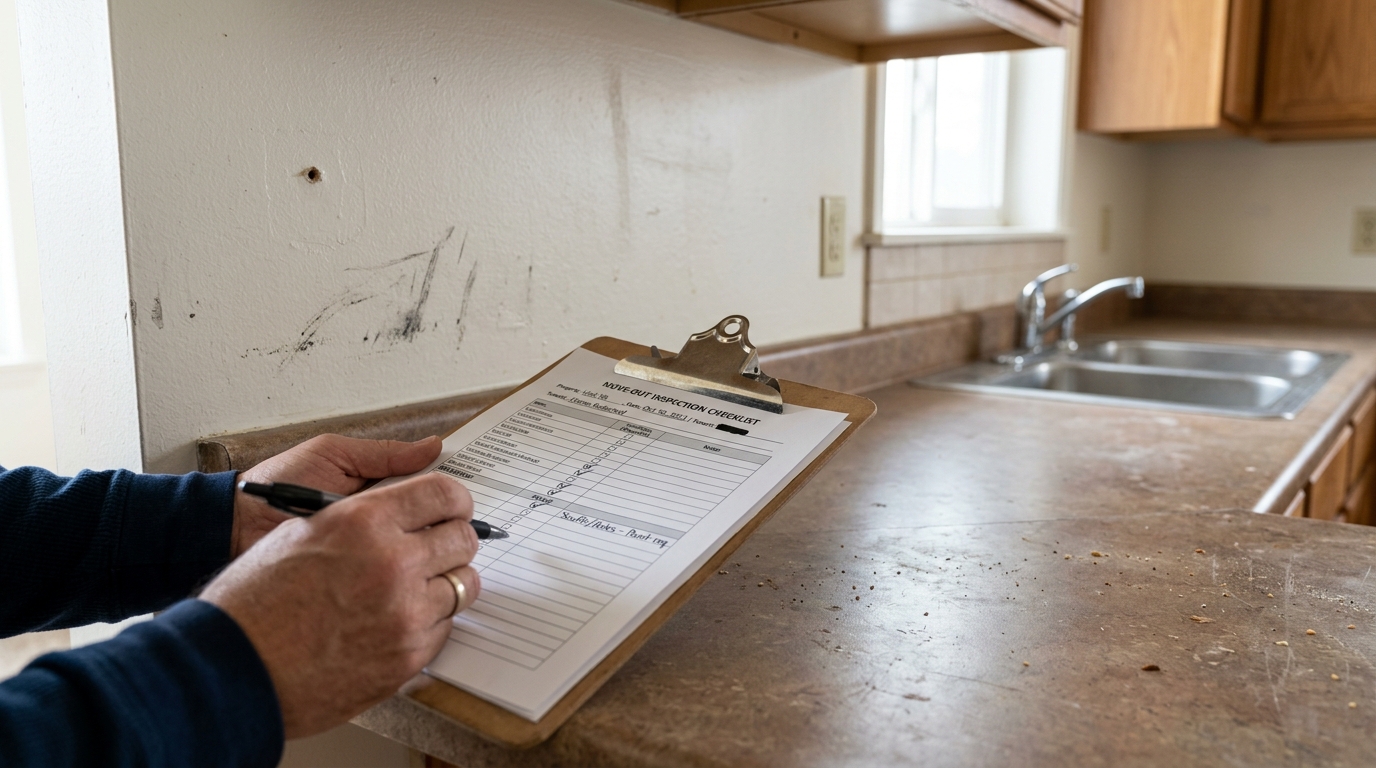
Spring is peak moving season around Ypsilanti and the leases and closings do not wait for the ground to dry. Moving in or out during the muddiest weeks means foot traffic, dollies, and furniture legs dragging clay across every floor in the building. An empty house shows every bit of it once the rooms are cleared.
For a handoff that leaves a place genuinely clean rather than just empty, move in and move out cleaning covers the tracked in soil, the salt film in the entry, and the corners that get exposed only after the furniture is gone. It protects your deposit and gives whoever arrives next a floor they do not have to apologize for.
Preventing the Worst of Next Year’s Mess
A little planning cuts the workload before the thaw even starts. Set up a two mat system at busy doors, one coarse outside to knock off debris and one absorbent inside to catch moisture. Keep a boot tray and a paw towel where they belong so the habit sticks. If your entry tile grout is unsealed, seal it in fall so the following spring’s mud sits on top instead of soaking in.
Consider designating a single entrance as the muddy season door and steering everyone through it. Concentrating the mess in one manageable zone means you clean one small area often instead of chasing dirt through the whole house. It is a simple change that makes a real difference by April.
Bringing In Help When You Need It
There is no shame in handing off the deep spring reset, especially in a busy household where the mud never fully stops until Memorial Day. A professional team works in the right sequence with commercial grade equipment and finishes in a fraction of the time it takes to fight grout and salt film on your own.
If your floors and entryways have taken all the abuse a Michigan spring can dish out, schedule an appointment today and let our Ypsilanti team hand your home back to you clean, fresh, and ready for the season ahead.
Mud season is temporary, but the damage it leaves behind lingers when it is ignored. Address it in the right order, protect the entry points, and the mess stays where it belongs, outside the door.
Frequently Asked Questions
How do I remove dried mud from carpet without spreading it?
Let the mud dry completely, then break up the crust and vacuum out the loose material. Only after the dry soil is removed should you apply a carpet spot cleaner and blot the remaining stain. Rubbing wet mud drives it deeper and frays the fibers.
What is the best way to clean white salt stains off my floors?
Salt residue redissolves in water and recrystallizes when it dries, so plain mopping just spreads it. Use one part white vinegar to three parts warm water, wipe it up rather than letting it air dry, then follow with a plain water pass to remove any film.
Why does my entryway grout look gray after winter?
Grout is porous and absorbs the clay and grit tracked in over the season. A baking soda paste worked into the lines with a stiff brush lifts most of it. Sealing the grout after a deep clean keeps future mud from soaking straight back in.
How often should I clean during mud season?
Quick daily attention at the entryways plus a fuller floor cleaning once or twice a week keeps grime from setting. Homes with pets or heavy traffic benefit from more frequent passes, since a single muddy trip outside can undo a whole entry cleanup.
Can wet mats damage my hardwood floor?
Rubber backed mats trap moisture against the floor, which can discolor hardwood and create a musty smell over a wet spring. Lift the mat regularly to let the floor breathe and switch to a washable low pile rug you can launder often during the muddy weeks.



Leave A Comment