

Plenty of folks around here have spent a full Saturday scrubbing baseboards and grout, then wondered why the house still felt off by Wednesday. Usually it comes down to bad information. At Huron Valley Cleaning Collective, we hear the same handful of deep cleaning myths over and over, and most of them cost people real money in wasted supplies, wasted hours, and repeat work that never should have been necessary. We want to clear those up plainly, the way we’d explain them to a neighbor standing in their own kitchen.
A deep clean is a specific thing with a specific purpose. It’s not just a longer version of your usual tidy up, and it’s not something you need to do every week. Once you understand what it actually is, you stop overspending on the wrong tasks and start getting your time back.
Myth One: A Deep Clean and a Regular Clean Are the Same Thing With More Elbow Grease
This is the most expensive misunderstanding of the bunch. People try to turn a routine cleaning into a deep clean by simply pressing harder and staying up later. That’s not how it works. A deep clean targets the buildup that a normal cleaning skips on purpose: the film on top of the fridge, the mineral crust around faucet bases, the grime packed into oven door seams, the dust that settles on window tracks and vent covers.
A maintenance clean keeps a home fresh after the deep work is already done. It handles surfaces, floors, bathrooms, and the kitchen at a steady rhythm. When you skip the deep step and just keep doing surface passes forever, the hidden buildup never leaves. You end up cleaning constantly and never feeling like you actually got ahead.
The smarter pattern most homes follow is one solid deep clean, then steady upkeep on top of it. If you want that upkeep handled for you, our recurring maintenance cleaning services are built to hold the line so buildup never gets a foothold again.
Myth Two: More Product Means a Deeper Clean
Walk down any cleaning aisle and you’d think you need fourteen bottles to get a bathroom clean. You don’t. Over applying product is one of the biggest quiet money leaks in a home. Extra spray doesn’t dissolve soap scum faster. It sits, leaves residue, and that residue actually attracts dust and grime back to the surface sooner.
The thing that does the real work is dwell time, not volume. A degreaser needs a few minutes to break down cooked on gunk before you wipe. Rush it and you scrub twice as long for half the result. We use less product than most people expect, because the technique carries the load. That’s the difference between a surface that stays clean and one that gets sticky again in two days.
Mixing products makes this worse. Combining the wrong cleaners can cancel out both, damage a finish, or create fumes you really don’t want in a closed bathroom. One right product, given time to work, beats a cabinet full of half used bottles every single time.
Myth Three: You Should Deep Clean Everything Every Time
Trying to deep clean the whole house in one shot is how people burn out and give up. Not every part of a home needs deep attention on the same schedule. Kitchens and bathrooms earn their deep cleans faster because heat, water, and grease do damage. A guest room that nobody uses does not need the same treatment four times a year.
Knowing what genuinely needs deep work saves you hours. Here’s where the real buildup hides in most local homes:
- Oven interiors and stovetop drip areas where grease bakes on
- Grout lines and tile in showers that hold soap scum and mildew
- Behind and under appliances like the fridge and washer
- Window tracks and sills that collect pollen in spring and grit in fall
- Baseboards and door frames that gather a greasy dust film
- Vent covers and ceiling fan blades most people never touch
When you focus deep effort on the spots that actually accumulate, and leave the rarely used areas on a lighter schedule, the whole job shrinks. That’s the plan we build for clients instead of pretending every square foot needs the same intensity.
Myth Four: A Deep Clean Lasts Forever
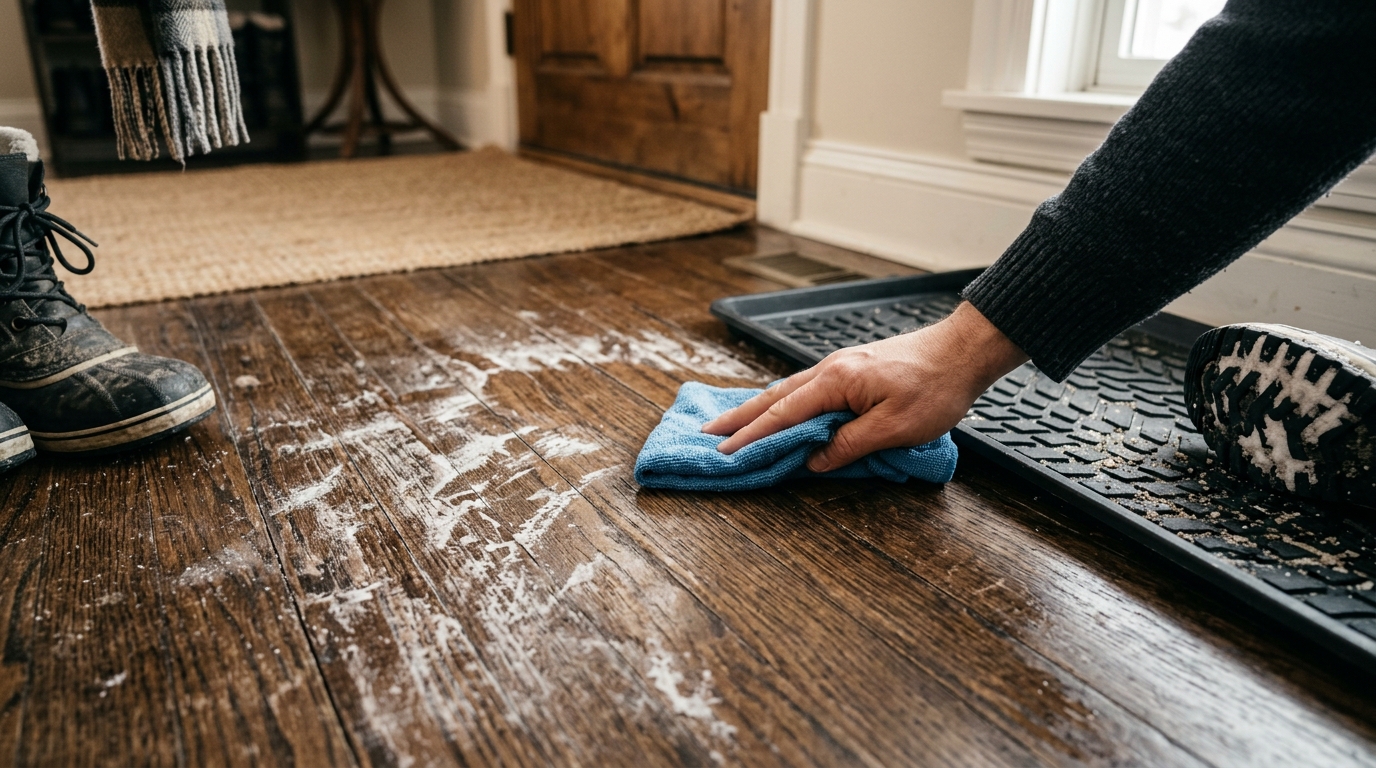
A deep clean resets your home. It does not freeze it in time. Some people book one deep cleaning, love the result, and then expect it to hold for a year with no upkeep. Life keeps happening. Kids track in mud from the yard in April. Cooking splatters build back up. Dust never stops settling.
The value of a deep clean is that it gives regular maintenance a clean slate to protect. When you follow it with steady upkeep, that reset lasts much longer and the next deep clean is far easier and cheaper because there’s less to fight through. Skip the upkeep and you’re back to square one, paying for another full reset instead of light maintenance.
When it makes sense to bring in help for the reset itself, our thorough deep cleaning treatments go after the layered buildup that ordinary weekly cleaning was never designed to remove.
Myth Five: You Only Need a Deep Clean When Moving
Moving is one of the best reasons to deep clean, no argument there. But treating it as the only reason means you live with slow buildup for years between moves. Seasonal shifts around here are a great trigger. After a long Michigan winter with the windows shut and the furnace running, homes hold months of trapped dust and dry air grime. A spring deep clean clears all of that out.
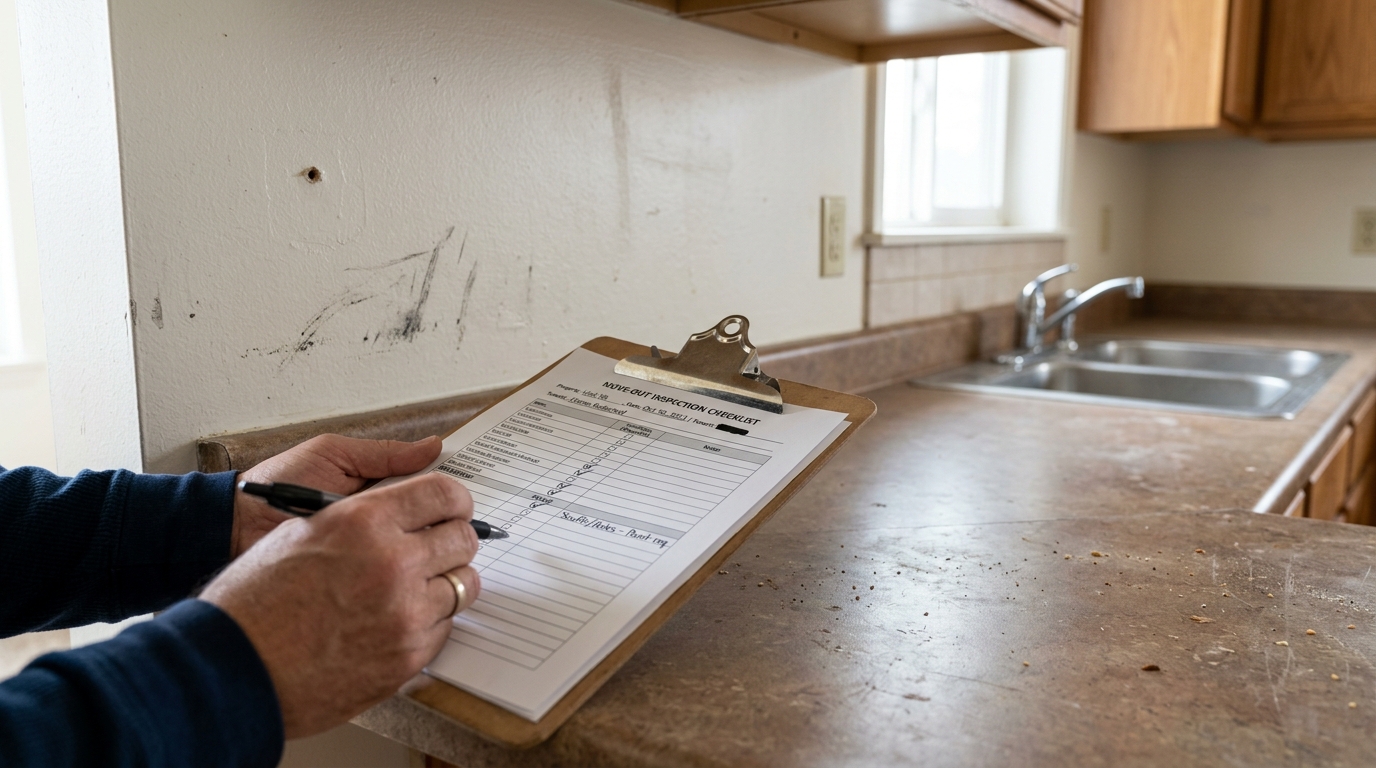
That said, a move really is a category of its own. Empty rooms let cleaners reach everything: the backs of cabinets, the closet floors, the spots a couch has hidden for six years. Whether you’re handing keys back to a landlord or walking into a place someone else just left, the standard is higher and the reach is deeper.
For that specific situation, our reliable move in and move out cleaning covers the empty home top to bottom so you get your deposit back or start fresh without inheriting someone else’s grime.
Myth Six: Deep Cleaning Is Cheaper if You Always Do It Yourself
On paper, doing it yourself looks free. Add up the real cost and it usually isn’t. Count the supplies you buy and half use, the specialty tools you need once, and the hours you spend that could’ve gone to something else. A full home deep clean done right can eat an entire weekend, and if you rush it to save time, you leave buildup behind and pay for it later.
There’s also the cost of doing it wrong. Using an abrasive on a soft surface, soaking natural stone in the wrong cleaner, or scrubbing a finish off a fixture turns a cleaning problem into a repair bill. We see the aftermath of well meaning weekend projects more than you’d think.
None of this means you can never clean your own home. Plenty of people handle their own upkeep just fine. The point is to be honest about what a real deep clean costs in time, materials, and risk before you decide it’s the cheaper route.
How to Plan a Smarter Deep Clean
The people who spend the least on cleaning aren’t the ones who never clean. They’re the ones with a plan. A good plan separates the reset from the upkeep and puts each on the right schedule instead of doing everything all the time.
- Start with one full deep clean to remove existing buildup
- Set a light maintenance rhythm to protect that result
- Give products time to work instead of using more of them
- Match deep cleaning frequency to how hard a room gets used
- Handle moves as their own deep clean, not a regular one
That structure is why clients who stick with a routine spend less over a year than the folks who binge clean twice and let everything slide in between. Small, steady effort on top of one solid reset beats occasional heroics every time.
What This Looks Like in a Real Local Home
Picture a family kitchen that hasn’t had a deep clean in two years. The stovetop looks fine at a glance, but there’s a hardened ring around each burner and a sticky film on the cabinet fronts near the range. The fridge top has a full layer of dust bonded to old cooking grease. None of that comes off with a weekly wipe down, because a weekly wipe down was never meant to.
One proper deep clean pulls all of it back to bare surface. After that, a quick maintenance pass keeps it there with a fraction of the effort. The homeowner who understood that spent one focused session up front and short easy cleanings after. The one who kept trying to fix it with weekly scrubbing spent months frustrated and never actually won.
If you’d rather skip the guesswork and get a clear picture of what your home actually needs, you can schedule a free quote today and we’ll walk through it with you honestly, no upselling on things you don’t need.
The homes that stay easiest to maintain are the ones where someone made the call early: reset once, protect it after, and stop wasting weekends on work that never had to be that hard.
Frequently Asked Questions
How often does a home actually need a deep clean?
For most local homes, once or twice a year handles it, with kitchens and bathrooms sometimes needing it a little more often. If you keep up steady maintenance in between, you can stretch the time between deep cleans and the next one goes faster.
Is a deep clean worth it if I already clean weekly?
Yes, because weekly cleaning and deep cleaning target different things. Weekly upkeep handles surfaces and daily mess. Deep cleaning removes the built up grime in ovens, grout, window tracks, and behind appliances that a normal clean skips on purpose.
Will using stronger or more cleaning product get a better result?
No. More product usually leaves residue that attracts dirt back faster. The real difference comes from letting the right cleaner sit long enough to break down buildup before you wipe, not from using more of it.
Do I need a deep clean when moving even if the place looks clean?
An empty home almost always reveals grime that furniture and daily life were hiding, like the backs of cabinets and closet floors. A move in or move out clean reaches those spots so you start fresh or leave the place to a proper standard.
Can I damage something trying to deep clean it myself?
It happens more than people expect. Abrasives on soft surfaces, the wrong cleaner on natural stone, or scrubbing a finish off a fixture can turn a cleaning task into a repair. Knowing which surface takes which method matters as much as the effort.




Leave A Comment