
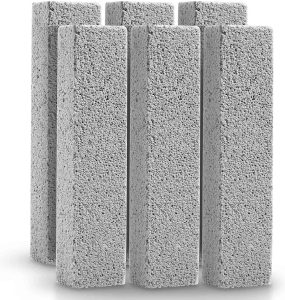
When it comes to cleaning, we often seek out tools and products to tackle stubborn stains and build-up. One surprising addition to your cleaning toolkit? The humble pumice stone. Versatile and effective, pumice stones aren’t just for exfoliating rough skin – they can work wonders around the home too.
What is Pumice Stone?
Pumice stone is a naturally occurring volcanic rock formed when lava cools rapidly, trapping gas pockets within its porous structure. This unique composition gives pumice stone its lightweight yet abrasive properties, making it ideal for cleaning and polishing a variety of surfaces.
Cleaning Powerhouse
One of the most remarkable qualities of pumice stone is its ability to remove tough stains and build-up without harsh chemicals. From ceramic stoves to hard water deposits, pumice stone can tackle a range of cleaning challenges with ease. You can look for them online or in the cleaning aisle at the store, where they are sometimes labeled as “scouring sticks.”
Where to Use Pumice Stone
- Ceramic Stoves: Restore the shine to ceramic stove tops by gently scrubbing with a wet pumice stone. Its abrasive texture helps lift stubborn residue without scratching the surface.
- Toilets: Say goodbye to stubborn toilet rings by gently scrubbing with a wet pumice stone. Its abrasive texture helps lift stains without scratching the porcelain surface.
- Oven and Grill Grates: Remove baked-on grease and food residue from oven and grill grates by scrubbing with a damp pumice stone. Its abrasive texture cuts through grease with minimal effort.
- Hard Water Stains: Banish unsightly hard water stains from sinks, bathtubs, and shower doors by gently rubbing with a wet pumice stone. Follow up with a rinse to reveal sparkling surfaces.
Areas to Avoid
While pumice stone is an effective cleaning tool, there are some surfaces you should avoid using it on:
- Stainless Steel: Pumice stone can scratch or dull the finish of stainless steel surfaces. Stick to gentler cleaning methods for stainless steel appliances and fixtures.
- Glass: Pumice stone is too abrasive for surfaces like glass shower doors or windows, and it can cause permanent etching on this type of glass. However, there is an exception: Tempered glass, which is commonly found on bakeware such as casserole dishes, is an exception though, because it is four to six times stronger than normal glass.
- Fiberglass or Acrylic Bathtubs: Pumice stones are incredibly effective at eliminating hard water stains from porcelain tubs, but they pose a risk of permanent scratching on fiberglass tubs. Unsure about your tub’s material? Conduct a simple test by placing a magnet against the side. If it doesn’t adhere, chances are it’s fiberglass or acrylic.
Tips for Using Pumice Stone Safely
To make the most of pumice stone’s cleaning power while protecting your surfaces, keep these tips in mind:
- Wet the Stone: Always use a wet pumice stone to prevent scratching surfaces and facilitate smoother cleaning.
- Test in an Inconspicuous Area: Before using a pumice stone on visible surfaces, test it in an inconspicuous area to ensure it won’t cause damage.









Leave A Comment